House Extension Estimate UK Guide To Costs & Budgeting

Welcome to your complete guide to obtaining an accurate house extension estimate in the UK. Whether you are planning a small rear extension, a spacious kitchen expansion, or a large double-storey addition, understanding the true costs involved is essential for making informed decisions and avoiding unexpected expenses. House extension costs can vary significantly depending on factors such as location, size, design complexity, materials, and professional fees, which makes careful budgeting more important than ever. In this guide, you will learn what influences extension pricing, how to estimate your project realistically, which hidden costs to watch for, and how to plan confidently so you can maximize your investment and create the additional living space your home needs.
A house extension estimate in the UK typically depends on the size, type, location, design, and specification of the project. Costs can vary widely, but a reliable estimate should include construction expenses, professional fees, planning requirements, building regulations, and a contingency budget to cover unforeseen costs.
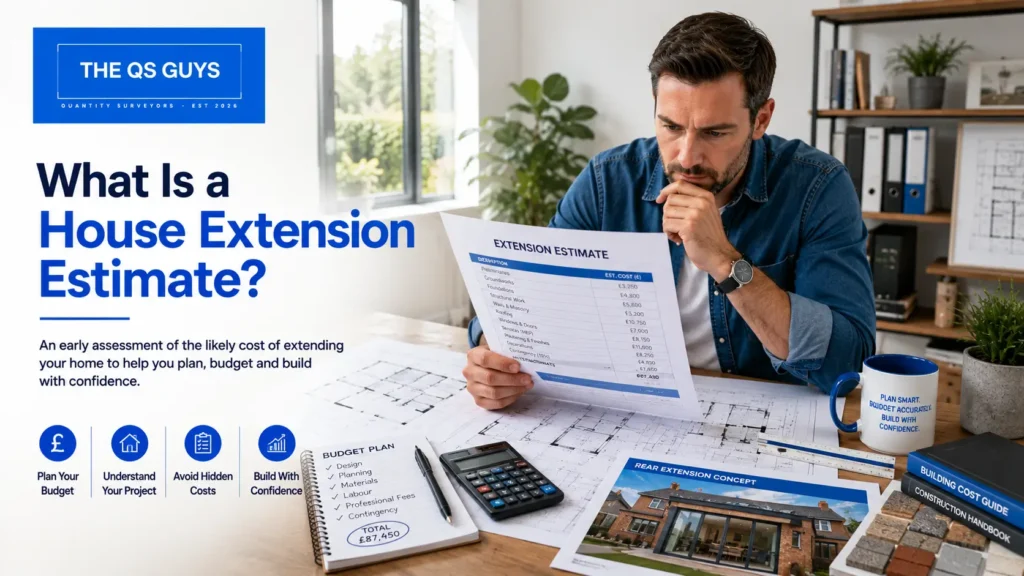
What Is A House Extension Estimate?
A house extension estimate is an early assessment of the likely cost of extending your property. It helps homeowners understand the potential financial commitment before moving forward with detailed plans, contractor agreements, or construction work. Whether you are considering a rear extension, side extension, kitchen extension, or double-storey addition, an estimate provides a useful starting point for budgeting and decision-making.
While many homeowners focus on the final construction cost, a house extension estimate offers valuable insight into the wider expenses involved, including design fees, planning requirements, materials, labour, and site preparation. Understanding how estimates work can help you avoid surprises and make more informed choices throughout the project.
Understanding Extension Estimates vs Final Costs
One of the most common areas of confusion for homeowners is the difference between an estimate, a quotation, and a fixed-price contract. Although these terms are often used interchangeably, they serve different purposes and provide different levels of cost certainty.
An estimate is an approximate calculation of what a project may cost based on the information available at the time. It is usually prepared during the early planning stages before detailed drawings, engineering reports, or site investigations have been completed. Because it is based on assumptions, the final cost may differ once the project details are fully defined.
A quotation is generally more detailed than an estimate. Contractors typically prepare quotations after reviewing project plans, specifications, and site conditions. While a quotation provides a clearer picture of expected costs, certain variables can still affect the final amount if unexpected issues arise during construction.
A fixed-price contract offers the highest level of pricing certainty. Under this arrangement, the builder agrees to complete the specified work for an agreed amount. However, changes requested by the homeowner, unforeseen site conditions, or contract variations can still result in additional costs.
Early estimates play an important role in project planning because they allow homeowners to assess affordability before investing significant time and money into detailed design work. They can help determine whether the proposed extension aligns with available finances and whether adjustments to the project scope may be necessary.
Some of the key benefits of obtaining an early estimate include:
- Budget Planning: Helps establish realistic expectations for overall project costs before committing to design and construction expenses.
- Project Feasibility: Allows homeowners to determine whether their desired extension is financially achievable.
- Financing Preparation: Provides useful information when discussing borrowing options or mortgage extensions with lenders.
- Design Decision-Making: Helps guide choices regarding extension size, layout, and specification levels.
- Cost Control: Identifies potential budget concerns early so adjustments can be made before plans are finalised.
Why House Extension Costs Can Vary Significantly
No two house extension projects are exactly the same. Even extensions that appear similar on the surface can have vastly different costs due to factors that influence labour requirements, material usage, design complexity, and construction challenges.
Understanding these variables can help homeowners develop more realistic expectations when reviewing house extension estimates.
Property Type
The type and age of a property can significantly impact extension costs. Older homes often require additional investigation to assess existing foundations, structural integrity, and building conditions. Properties with unique architectural features may also require specialised construction techniques or materials to ensure the extension integrates seamlessly with the existing structure.
Terraced houses, semi-detached homes, and detached properties each present different construction considerations. Access restrictions, shared walls, and structural modifications can all influence the overall project budget.
Location
Location is one of the most significant factors affecting house extension estimates across the UK. Labour rates, material costs, planning requirements, and contractor availability can vary substantially between regions.
Projects in London and the South East often carry higher costs due to increased demand for skilled tradespeople and higher operating expenses. In contrast, some regions may benefit from lower labour costs while still maintaining high-quality workmanship.
Local authority requirements can also influence costs through planning fees, inspections, and compliance obligations.
Design Complexity
Simple extensions are generally more affordable than highly customised designs. Projects that involve straightforward layouts and standard construction methods typically require less labour and fewer specialist trades.
More complex designs may include:
- Open-Plan Living Spaces: Often require structural alterations and steel beam installations.
- Large Glazed Areas: Can increase both material and installation costs.
- Vaulted Ceilings: Require more complex structural engineering and construction techniques.
- Bespoke Architectural Features: Custom designs often involve additional planning, fabrication, and labour.
The more complex the design, the greater the likelihood of increased costs throughout the project.
Material Choices
Material selection can dramatically affect a house extension budget. Homeowners have a wide range of options when choosing finishes, fixtures, and construction materials, each with varying price points.
For example, standard brickwork and roofing materials are generally more cost-effective than premium architectural finishes. Similarly, choices related to flooring, windows, doors, insulation, and kitchen installations can significantly influence the final project cost.
While premium materials often provide enhanced aesthetics and durability, they should be carefully balanced against the overall project budget to ensure financial sustainability.
Labour Costs
Labour typically represents a substantial portion of any house extension project. Skilled trades such as bricklayers, carpenters, electricians, plumbers, roofers, and plasterers all contribute to the construction process.
Several factors can affect labour costs, including:
- Regional Labour Rates: Skilled tradespeople may charge different rates depending on local demand.
- Project Complexity: More technically demanding work often requires specialist expertise.
- Construction Duration: Longer projects naturally involve higher labour expenses.
- Trade Availability: Labour shortages can increase costs in some areas.
Experienced contractors often provide greater efficiency and workmanship quality, which can help minimise costly mistakes and delays during construction.
Understanding the factors that influence a house extension estimate allows homeowners to approach their project with realistic expectations and a clearer understanding of where their budget is likely to be allocated. By carefully considering property characteristics, location, design choices, materials, and labour requirements, it becomes easier to develop an extension plan that balances functionality, aesthetics, and financial practicality.
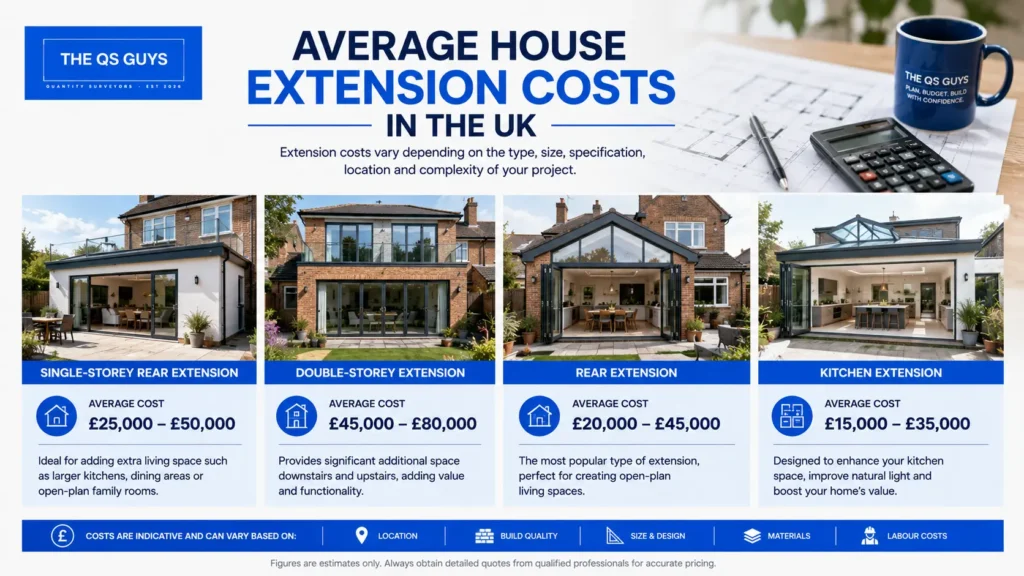
Average House Extension Costs In The UK
Understanding average house extension costs in the UK is one of the most important steps when planning a home improvement project. While many homeowners search for a quick extension cost calculator or average extension cost per square metre, the reality is that pricing varies significantly based on location, design, size, materials, and the complexity of the build. Having a realistic understanding of UK home extension pricing can help you budget effectively, compare quotes with confidence, and avoid unexpected expenses during construction.
Single-Storey Extension Cost Estimates
Single-storey extensions are among the most popular ways to add extra living space to a property. They are commonly used to expand kitchens, create open-plan living areas, add dining rooms, or provide additional family space without the need for major structural alterations to the upper floors.
The average extension cost per square metre for a single-storey extension in the UK typically falls between £1,800 and £3,500 or more, depending on specification, location, and construction requirements. Projects in London and the South East generally command higher prices due to increased labour and material costs.
Several factors influence the final cost of a single-storey extension:
- Extension Size: Larger projects often benefit from some economies of scale, although the overall project cost will still increase.
- Build Quality: Premium finishes, bespoke glazing, and high-end materials can substantially increase costs.
- Ground Conditions: Difficult ground conditions may require additional excavation or reinforced foundations.
- Access Restrictions: Limited site access can increase labour time and equipment costs.
- Structural Alterations: Removing load-bearing walls or installing steel supports adds complexity and expense.
For homeowners seeking a straightforward way to increase living space, single-storey extensions often offer an excellent balance between cost, practicality, and property value enhancement.
Double-Storey Extension Cost Estimates
A double-storey extension provides significantly more usable space by expanding both ground and first-floor areas. These projects are commonly used to create additional bedrooms, bathrooms, home offices, and larger family living areas.
Although a double-storey extension costs more overall than a single-storey project, the extension cost per square metre is often lower because the roof and foundation costs are spread across two levels. Typical UK home extension pricing for double-storey extensions generally ranges between £2,000 and £4,000 per square metre depending on location and specification.
Additional structural requirements often contribute to the overall budget:
- Enhanced Foundations: Larger loads may require stronger foundation systems.
- Structural Engineering: More complex calculations are often needed to support additional storeys.
- Roof Modifications: Existing roof structures may need extensive alterations.
- Additional Services: Plumbing, heating, and electrical systems often require upgrades to support the new space.
When comparing house extension costs UK homeowners should remember that a double-storey extension often delivers more living space per pound spent, making it an attractive long-term investment.
Rear, Side, And Wraparound Extensions
Rear, side, and wraparound extensions each serve different purposes and come with unique cost considerations. The most suitable option depends on the property’s layout, available land, and the homeowner’s goals.
Rear Extensions
Rear extensions extend into the garden space behind the property and are particularly popular for creating larger kitchens and open-plan family rooms.
Typical budgets often range from £30,000 to £100,000 or more depending on size and specification.
Benefits include:
- Improved Living Space: Creates larger, more functional family areas.
- Garden Connectivity: Enhances indoor-outdoor flow through larger doors and glazing.
- Property Appeal: Often increases market value and buyer interest.
Side Extensions
Side extensions make use of unused land beside a property. They are commonly chosen for narrow homes where rear garden space is limited.
Costs generally vary between £25,000 and £80,000 depending on dimensions and complexity.
Benefits include:
- Efficient Land Use: Maximises underutilised side access areas.
- Flexible Design: Can create utility rooms, offices, or expanded kitchens.
- Minimal Garden Impact: Preserves more outdoor space compared to rear extensions.
Wraparound Extensions
Wraparound extensions combine rear and side extensions into one larger project. They can transform the entire ground-floor layout and create expansive open-plan spaces.
These projects often range from £50,000 to £150,000 or more.
Considerations include:
- Higher Construction Costs: Larger footprints require greater investment.
- Complex Design Requirements: More detailed planning and engineering may be needed.
- Significant Lifestyle Benefits: Provides substantial additional living space and design flexibility.
Kitchen Extension Cost Estimates
Kitchen extensions remain one of the most sought-after home improvement projects in the UK because they can dramatically improve how a home functions while also increasing property value.
A kitchen extension generally includes both construction costs and interior fit-out expenses. While the extension shell itself may follow standard house extension costs UK pricing, the kitchen installation often represents a significant additional investment.
Common cost factors include:
- Kitchen Units: Standard and bespoke cabinetry vary considerably in price.
- Worktops: Material selection significantly influences the final budget.
- Appliances: Integrated appliances can add thousands of pounds to project costs.
- Lighting Systems: Feature lighting and smart controls increase installation expenses.
- Flooring And Finishes: Premium materials can substantially elevate costs.
Homeowners should also budget for utility-related work:
- Electrical Upgrades: Additional circuits and power requirements may be needed.
- Plumbing Relocation: Water and waste services often require modification.
- Heating Adjustments: Existing heating systems may need expansion or upgrades.
- Ventilation Systems: Proper extraction and airflow solutions are essential.
Because kitchen extensions combine construction and interior design elements, obtaining a detailed extension cost calculator estimate and professional quote is particularly important.
Conservatory And Orangery Extension Costs
Conservatories and orangeries provide alternative ways to add living space while maximising natural light. Although both structures serve similar purposes, there are important differences in design, construction, and cost.
Conservatories generally feature a higher proportion of glazing and lighter construction methods. Costs typically start from around £15,000 and can exceed £50,000 depending on size and specification.
Orangeries often incorporate more solid walls, substantial roof structures, and higher-end finishes. Costs commonly range from £25,000 to £80,000 or more.
Key differences include:
- Construction Style: Orangeries typically feel more integrated with the existing home.
- Thermal Performance: Modern orangeries often provide better year-round comfort.
- Visual Appearance: Conservatories emphasise glass, while orangeries create a more traditional extension aesthetic.
- Property Value Impact: Orangeries may contribute more strongly to long-term property value.
A conservatory may suit homeowners seeking a bright and cost-effective additional room, while an orangery is often preferred by those wanting a premium extension that feels like a permanent part of the home.
Choosing the right extension type ultimately depends on your budget, lifestyle needs, and long-term goals for the property. Whether you are considering a single-storey addition, a double-storey expansion, or a high-specification kitchen extension, understanding the key cost drivers will help you make informed decisions and create a realistic budget for your project.
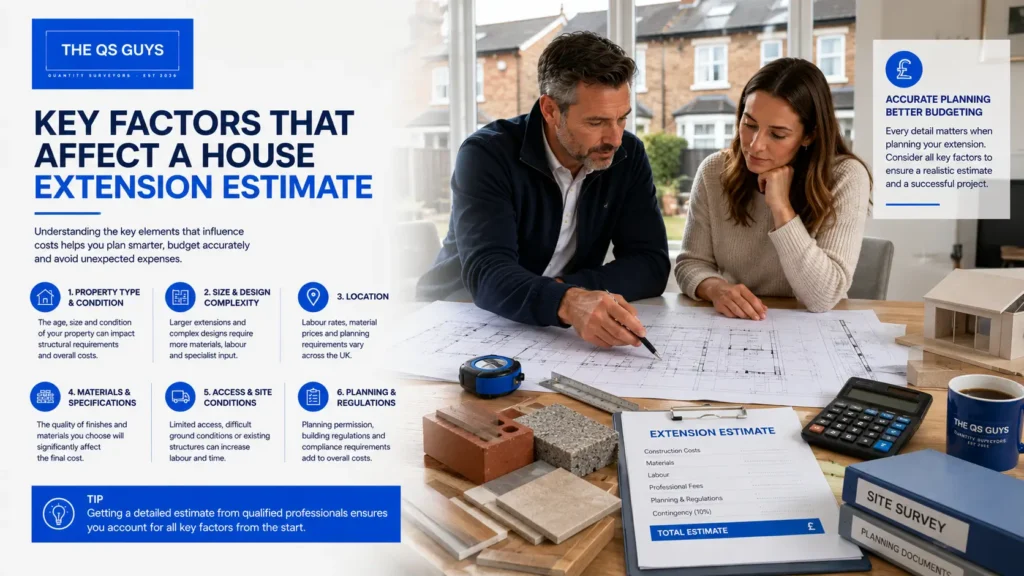
Key Factors That Affect a House Extension Estimate
Understanding what influences a house extension estimate is essential for setting realistic expectations and avoiding budget surprises. While many homeowners focus on the overall size of an extension, several factors contribute to the final cost. Everything from the property’s location and design requirements to site accessibility and material choices can affect how much you will need to invest. Knowing these factors in advance can help you plan more effectively and make informed decisions throughout the project.
Size and Floor Area
One of the most significant factors affecting a house extension estimate is the overall size of the extension. In most cases, larger extensions require more materials, labour, and time to complete, which naturally increases the total project cost.
Builders and contractors often calculate extension costs using a cost-per-square-metre approach. As the floor area increases, so does the quantity of materials needed for foundations, walls, roofing, insulation, flooring, and finishes. Larger spaces may also require additional structural support and more extensive electrical and plumbing work.
The relationship between size and cost is not always perfectly linear. While a larger extension will generally cost more overall, some fixed costs such as planning applications, design fees, and certain site setup expenses remain relatively similar regardless of size. This means larger projects may sometimes offer better value per square metre compared to smaller extensions.
When budgeting for a house extension, it is important to consider:
- Foundation Requirements: Larger extensions often need more extensive groundworks and concrete foundations.
- Roofing Costs: A bigger floor area requires a larger roof structure and additional roofing materials.
- Heating And Ventilation: Larger spaces may require upgraded heating systems and ventilation solutions.
- Interior Finishes: More floor space means additional costs for flooring, decorating, lighting, and fittings.
Carefully defining the size of your proposed extension early in the planning stage can help produce a more accurate estimate and prevent unexpected increases later.
Property Location Across the UK
Location plays a major role in determining extension costs across the UK. Labour rates, material availability, local demand, and regional construction markets all contribute to price differences between areas.
London and South East Pricing
Homeowners in London and the South East generally face higher construction costs than most other parts of the country. Demand for skilled tradespeople is often greater, and labour rates tend to be significantly higher. Material transportation costs and higher operating expenses for contractors can also contribute to increased pricing.
Properties in densely populated areas may present additional logistical challenges, such as limited access, parking restrictions, and tighter building regulations, which can further increase project costs.
Regional Cost Variations
Outside London and the South East, extension costs can vary considerably depending on the local market. Areas with lower labour costs and reduced demand for construction services may offer more competitive pricing.
Factors that influence regional pricing include:
- Local Labour Rates: Construction wages differ throughout the UK.
- Material Supply Chains: Delivery distances and local suppliers can impact costs.
- Planning Requirements: Some councils may have specific regulations that influence project complexity.
- Market Demand: Areas experiencing strong property growth often see higher construction costs.
Obtaining estimates from local contractors familiar with the area can provide a more realistic understanding of expected costs.
Design Complexity
The complexity of your extension design can have a substantial impact on the final estimate. Simple rectangular extensions are generally easier and faster to build than highly customised designs with unique architectural features.
Open-Plan Layouts
Open-plan living spaces remain one of the most popular extension choices among UK homeowners. While they can create bright and spacious interiors, achieving an open-plan design often requires structural modifications.
Removing load-bearing walls may involve installing steel beams or additional supports, which increases both labour and material costs. Structural calculations and engineering input are usually required to ensure the building remains safe and compliant with regulations.
Structural Alterations
Many extension projects involve modifications to the existing property. Structural alterations can include removing walls, relocating staircases, strengthening foundations, or altering roof structures.
These changes often require specialist expertise and can significantly increase project costs because they involve more planning, engineering, and construction work.
Common structural alterations include:
- Wall Removal: Creating larger living spaces may require steel support beams.
- Roof Modifications: Extending into roof spaces often involves structural strengthening.
- Foundation Upgrades: Existing foundations may need reinforcement to support new loads.
- Property Reconfiguration: Internal layout changes can increase labour and design costs.
Bespoke Architectural Features
Custom architectural elements can add character and value to an extension, but they often come at a premium.
Features such as large glazed walls, vaulted ceilings, roof lanterns, curved walls, and custom-built joinery require specialist materials and skilled installation. While these features can transform a property, they should be considered carefully within the overall budget.
Materials and Finishes
The materials and finishes selected for an extension can significantly influence the overall project budget. Homeowners have a wide range of choices, from cost-effective standard options to high-end premium products.
Standard vs Premium Materials
Standard materials are often durable, practical, and suitable for most residential projects. Premium materials typically offer enhanced appearance, performance, or longevity but usually come with a higher price tag.
Examples of material choices include:
- Brickwork: Standard bricks are generally more affordable than specialist or heritage bricks.
- Roofing Materials: Slate roofing often costs more than concrete tiles.
- Windows And Doors: Aluminium systems typically cost more than standard uPVC alternatives.
- Flooring: Natural stone and hardwood flooring generally command higher prices than laminate or vinyl options.
Selecting materials that balance quality, durability, and budget can help maximise value without overspending.
Impact on Total Project Budget
Finishes often account for a significant portion of extension costs. Kitchen installations, flooring, lighting, decorating, and bathroom fittings can quickly increase the final budget.
It is common for homeowners to focus heavily on construction costs while underestimating the impact of interior finishes. Creating a detailed specification before work begins can help ensure costs remain under control and reduce the risk of unexpected upgrades during the project.
Site Conditions and Accessibility
The physical characteristics of the site can have a major influence on construction costs. Even extensions of similar size and design can vary significantly in price due to site-specific challenges.
Restricted Access
Properties with limited access can increase labour requirements and project timelines. If builders cannot easily bring materials, equipment, or machinery onto the site, additional manual work may be necessary.
Restricted access can result from:
- Narrow Side Passages: Materials may need to be transported by hand.
- Terraced Properties: Limited access can complicate construction logistics.
- Parking Restrictions: Delivery and equipment access may be more difficult.
- Urban Locations: Tight spaces can increase construction complexity.
Ground Conditions
Ground conditions play an important role in determining foundation requirements. Poor soil quality, unstable ground, or the presence of underground obstructions may require additional engineering solutions.
Common issues include:
- Clay Soils: May require deeper foundations due to movement risks.
- Tree Roots: Existing vegetation can affect foundation design.
- Sloping Sites: Additional retaining structures may be necessary.
- Poor Drainage: Water management solutions may be required.
Ground investigations can help identify potential challenges before construction begins and reduce the likelihood of costly surprises.
Existing Drainage or Utility Challenges
Existing drainage systems, water pipes, gas lines, and electrical services can affect extension design and costs. Relocating or modifying utilities often requires specialist contractors and regulatory approvals.
In some cases, drainage systems may need to be rerouted to accommodate new foundations or floor plans. Utility upgrades may also be necessary if the extension increases demand on existing services.
Identifying these issues during the planning phase allows homeowners to budget more accurately and avoid unexpected delays once construction is underway.
Every house extension project is unique, and understanding the factors that influence costs is the first step towards creating a realistic budget. By carefully considering size, location, design choices, materials, and site conditions, homeowners can make informed decisions that support both their financial goals and their long-term vision for the property.
Professional Fees You Need To Include
When planning a house extension, many homeowners focus primarily on construction costs and materials. However, professional fees can represent a significant portion of the overall budget and should never be overlooked. These costs cover the expertise needed to design, assess, approve, and oversee different aspects of your project. Including these expenses in your house extension estimate from the beginning helps create a more realistic budget and reduces the risk of unexpected financial surprises later in the process.
Architectural Design Fees
Architectural design fees are often one of the first professional expenses homeowners encounter when planning an extension. An architect helps transform your ideas into practical, compliant, and visually appealing designs that work with your property and lifestyle requirements.
The scope of architectural services can vary considerably. Some homeowners only require basic design drawings, while others choose a full-service package that includes project management, planning support, and coordination with contractors throughout construction.
Architect fees for an extension are typically influenced by factors such as project complexity, extension size, location, and the level of involvement required. A straightforward single-storey extension generally requires less design work than a large double-storey addition with custom features and structural modifications.
Working with an experienced architect can provide several benefits:
- Optimised Design Solutions: Creates layouts that maximise available space and functionality.
- Planning Support: Helps prepare drawings and documentation required for planning applications.
- Building Regulation Compliance: Designs are developed with relevant regulations and standards in mind.
- Cost Management: Early design decisions can help prevent expensive changes during construction.
- Improved Property Value: Well-designed extensions often enhance both usability and long-term resale appeal.
Although architectural fees add to the upfront cost, professional design guidance can often save money throughout the project by identifying potential issues before construction begins.
Structural Engineer Costs
A structural engineer plays a crucial role in ensuring that your extension is safe, stable, and capable of supporting the intended loads. While not every project requires extensive engineering work, many extensions involve structural changes that must be professionally assessed.
Structural engineer extension cost requirements often arise when:
- Removing Load-Bearing Walls: Structural calculations are needed to support altered loads.
- Installing Steel Beams: Engineers determine appropriate beam sizes and placement.
- Adding Upper Floors: Additional weight requires careful structural assessment.
- Complex Foundation Design: Ground conditions may affect foundation requirements.
- Large Open-Plan Spaces: Wider spans often require specialised structural solutions.
The engineer will usually provide detailed calculations, technical drawings, and recommendations that builders and building control officers rely upon throughout the project.
Investing in professional structural advice helps minimise construction risks and ensures that the extension meets all safety requirements. Attempting to reduce costs by skipping this step can lead to serious structural issues and expensive corrective work later.
Planning Consultant Fees
Some extension projects benefit from the expertise of a planning consultant, particularly when planning permission is required or when the project involves more complex regulations.
Planning consultants specialise in navigating local planning policies and helping homeowners improve the likelihood of obtaining approval. Their knowledge can be especially valuable for properties located in conservation areas, green belt locations, or areas subject to specific planning restrictions.
A planning consultant may assist with:
- Application Preparation: Compiling supporting documents and planning statements.
- Local Authority Liaison: Communicating with planning officers during the review process.
- Planning Strategy: Identifying potential concerns before submission.
- Appeals Support: Assisting if an application is refused.
- Regulatory Guidance: Explaining local planning requirements and limitations.
Although many straightforward extensions proceed without a planning consultant, more complex projects can benefit from professional guidance that helps avoid delays, redesigns, or rejected applications.
When budgeting for planning application costs UK homeowners should consider both local authority fees and any professional planning support required during the approval process.
Building Regulation Approval Costs
Building regulations are separate from planning permission and focus on ensuring that construction work meets required standards for safety, energy efficiency, accessibility, drainage, and structural performance.
Most extensions require building regulation approval, regardless of whether planning permission is necessary. Building control officers assess the work at various stages to verify compliance with relevant regulations.
Typical building regulation expenses may include:
- Application Fees: Charges for submitting plans or notices.
- Plan Assessments: Review of technical drawings and specifications.
- Site Inspections: Multiple inspections throughout construction.
- Completion Certification: Verification that the project complies with regulations.
- Amendment Reviews: Additional assessments if design changes occur.
Building regulation approval costs vary based on project size, location, and the chosen approval route. Factoring these expenses into your house extension estimate ensures that all mandatory compliance requirements are properly covered.
Ignoring building regulations can create serious issues when selling the property in the future and may result in costly remedial work if non-compliant construction is discovered.
Surveying And Inspection Fees
Surveying and inspection services provide valuable information about existing site conditions and help identify potential challenges before construction begins. While these costs are sometimes overlooked, they often prevent far more expensive problems later in the project.
Several types of surveys may be recommended depending on the nature of the extension:
- Measured Building Surveys: Provide accurate dimensions for design and planning.
- Topographical Surveys: Identify site levels, boundaries, and physical features.
- Drainage Surveys: Assess existing drainage systems and potential constraints.
- Condition Surveys: Evaluate the current condition of the property.
- Party Wall Surveys: Required when work affects shared walls or boundaries.
Inspection services may also continue throughout construction to ensure that work is progressing according to approved plans and required standards.
Professional surveying provides reliable data that supports accurate design decisions, cost forecasting, and risk management. It also helps contractors identify site-specific issues before they affect construction schedules or budgets.
Including all relevant professional fees from the outset creates a more accurate house extension estimate and helps homeowners make informed financial decisions. While these services add to the initial budget, they provide expert guidance, regulatory compliance, and risk reduction that contribute significantly to a smoother and more successful extension project.

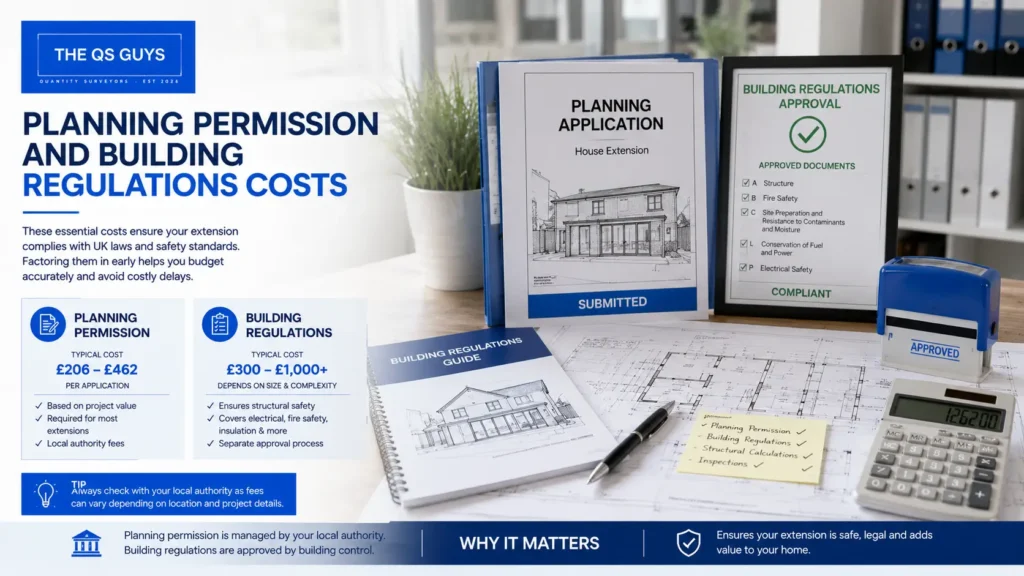
Planning Permission And Building Regulations Costs
Before starting a house extension project, it is important to understand the costs associated with planning permission and building regulations. While some extensions can be completed without formal planning approval, most projects must still comply with building regulations to ensure they meet safety, structural, and energy-efficiency standards. Factoring these expenses into your house extension estimate helps prevent unexpected costs and delays later in the process.
When Planning Permission Is Required
Planning permission is not always necessary for a house extension, but there are many situations where approval from the local planning authority is required. Understanding these circumstances early can help homeowners avoid costly mistakes and ensure the project progresses smoothly.
Planning permission is commonly required when an extension exceeds permitted development limits, significantly alters the appearance of the property, or impacts neighbouring homes. Properties located in conservation areas, national parks, Areas of Outstanding Natural Beauty, or listed buildings often face stricter planning controls.
Some situations where planning permission may be required include:
- Large Extensions: Projects that exceed size limitations set under permitted development rules.
- Listed Buildings: Any alterations affecting the character of a listed property usually require consent.
- Protected Areas: Additional restrictions often apply in conservation areas and designated landscapes.
- Significant Design Changes: Extensions that substantially alter the property’s appearance may need approval.
- Neighbour Impact: Developments that affect privacy, sunlight, or views can trigger planning requirements.
Consulting with a planning professional or local authority before beginning a project can provide clarity on specific requirements and help reduce the risk of application rejections.
Permitted Development Rights Explained
Permitted development rights allow certain home improvements and extensions to be carried out without submitting a full planning application. These rights were introduced to simplify smaller residential projects and reduce administrative burdens for homeowners.
However, permitted development rights are subject to strict rules regarding size, height, location, and overall impact. Exceeding any of these limits may require full planning permission.
Common permitted development considerations include:
- Extension Depth: Rear extensions must remain within specified depth limits.
- Height Restrictions: Maximum heights apply depending on the type and location of the extension.
- Boundary Requirements: Rules often dictate how close an extension can be built to neighbouring boundaries.
- Material Compatibility: External materials should generally match the existing property.
- Property Type: Flats, maisonettes, and some converted buildings typically do not benefit from the same rights.
Many homeowners choose to obtain a Lawful Development Certificate, even when planning permission is not required. This document provides official confirmation that the work falls within permitted development rules, offering reassurance for future property sales.
Building Regulations Requirements
Unlike planning permission, building regulations approval is required for most house extension projects. These regulations are designed to ensure that all construction work meets established standards for safety, performance, and habitability.
Building regulations cover a wide range of technical requirements and are assessed throughout the construction process. Local authority inspectors or approved inspectors may conduct site visits to verify compliance at key stages.
Key areas covered by building regulations include:
- Structural Integrity: Foundations, walls, beams, and roof structures must be capable of safely supporting loads.
- Fire Safety: Escape routes, fire-resistant materials, and smoke detection systems must meet current standards.
- Thermal Efficiency: Walls, floors, roofs, windows, and doors must achieve minimum insulation levels.
- Ventilation: Adequate airflow is required to maintain healthy indoor environments.
- Drainage Systems: Wastewater and surface water drainage must function correctly and safely.
- Electrical Safety: Electrical installations must comply with relevant regulations and certification requirements.
Building regulations approval provides assurance that the extension has been constructed to recognised standards, protecting both the homeowner and future occupants.
Potential Costs And Timeframes
The costs associated with planning permission and building regulations vary depending on the scope and complexity of the extension. While these expenses may represent a relatively small portion of the total project budget, they should never be overlooked during the planning stage.
Typical expenses may include application fees, professional drawings, structural engineering assessments, inspection charges, and certification costs. More complex projects may also require specialist reports or additional consultations.
Factors that influence overall costs include:
- Project Size: Larger extensions generally involve more detailed assessments and inspections.
- Design Complexity: Unique architectural features may require additional technical input.
- Site Conditions: Challenging sites can increase professional and compliance-related costs.
- Local Authority Requirements: Fees and processes can vary between councils.
- Professional Services: Architects, surveyors, and engineers may charge separate fees for supporting documentation.
Timeframes should also be considered when planning a project. Planning applications can take several weeks to process, while building regulations approval often continues throughout construction. Allowing sufficient time for approvals helps minimise delays and enables contractors to schedule work more effectively.
Taking the time to understand planning permission and building regulations requirements can make a significant difference to the success of a house extension project. By budgeting accurately, seeking professional guidance, and ensuring compliance from the outset, homeowners can move forward with greater confidence and avoid many of the common issues that cause delays, disputes, or unexpected costs.
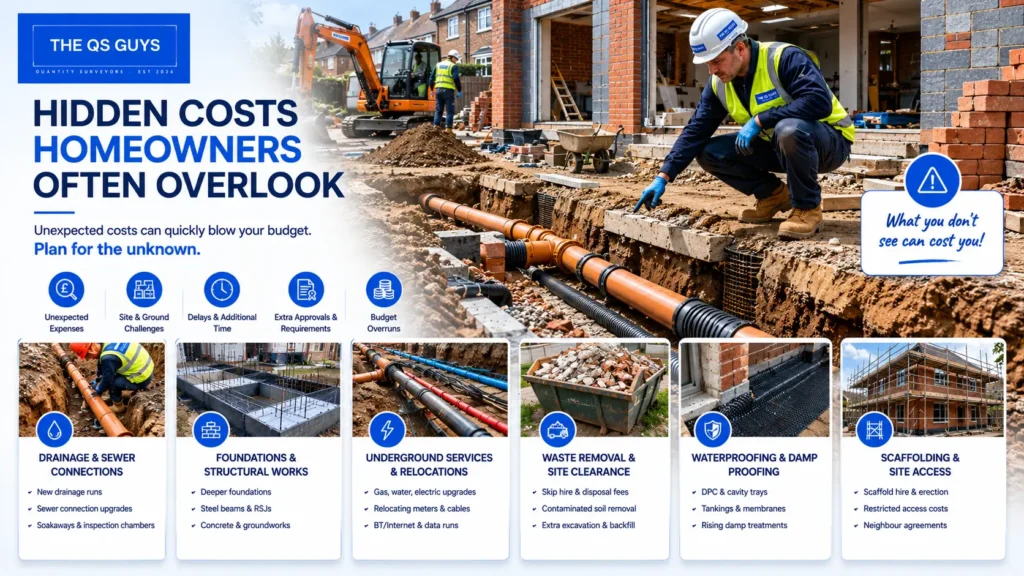
Hidden Costs Homeowners Often Overlook
When planning a house extension, many homeowners focus on construction costs while overlooking several additional expenses that can significantly affect the final budget. These hidden extension costs often emerge during the planning, preparation, or finishing stages of a project. Understanding these potential expenses from the outset can improve extension budget planning, reduce financial surprises, and help create a more realistic view of overall UK renovation costs.
Groundworks and Foundations
Groundworks and foundations are among the most common hidden expenses associated with house extensions. While an initial estimate may include standard foundation work, unexpected site conditions can quickly increase costs.
The type of soil beneath a property, the presence of tree roots, drainage systems, or existing underground structures can all affect foundation requirements. If builders discover poor ground conditions during excavation, deeper foundations or additional structural support may be needed.
Some factors that can increase groundworks costs include:
- Poor Soil Conditions: Soft or unstable ground may require deeper excavations and reinforced foundations.
- Drainage Issues: Existing drainage systems may need to be modified or protected before construction begins.
- Tree Root Protection: Nearby trees can influence foundation depth and may require specialist solutions.
- Underground Obstructions: Old foundations, buried pipes, or unexpected debris can create additional excavation work.
Investing in a thorough site investigation before construction starts can help identify potential issues early and provide a more accurate house extension estimate.
Utility Relocations
Utility relocation costs are frequently overlooked during the early budgeting process. Existing services such as water pipes, gas lines, electricity cables, and drainage systems may be located within the proposed extension area.
If these services need to be moved, homeowners can face additional labour, materials, and specialist contractor fees. Utility companies may also charge inspection and connection fees depending on the type of work required.
Common utility relocation expenses include:
- Drain Relocation: Existing drains may need rerouting to accommodate new foundations.
- Electrical Adjustments: Consumer units, cabling, or external power supplies may require modification.
- Gas Line Changes: Gas pipes serving the property may need repositioning for safety and compliance.
- Water Supply Modifications: Water mains and supply pipes may need relocating if they conflict with the extension footprint.
Discussing utility locations with your builder and surveyor during the planning stage can help reduce unexpected costs later in the project.
Party Wall Agreements
Party wall agreements are often necessary when an extension affects a shared wall, boundary, or structure between neighbouring properties. While many homeowners are aware of planning permission and building regulations, party wall requirements are sometimes overlooked until construction is ready to begin.
Under the Party Wall etc. Act 1996 in England and Wales, homeowners may need to formally notify neighbours before carrying out certain types of work. If neighbours consent, the process can be relatively straightforward. However, if disputes arise, surveyors may need to be appointed, increasing overall project costs.
Potential expenses associated with party wall matters include:
- Surveyor Fees: Independent surveyors may be required to assess and document the proposed work.
- Party Wall Awards: Legal agreements outlining responsibilities and protections may incur additional costs.
- Neighbour Disputes: Delays or disagreements can lead to further professional fees.
- Additional Documentation: Detailed reports and condition surveys may be required before work begins.
Factoring party wall costs into extension budget planning can help prevent delays and financial strain during construction.
Interior Finishing Costs
Many extension budgets focus on the structural build while underestimating the cost of creating a fully finished living space. Interior finishing expenses can represent a substantial portion of the overall project budget.
Once the extension shell is complete, homeowners must still consider flooring, decorating, lighting, heating, storage, and furnishings. These elements are often omitted from basic construction estimates, making them one of the most significant hidden extension costs.
Common interior finishing expenses include:
- Flooring Installation: Tiles, engineered wood, laminate, or carpet can vary considerably in price.
- Painting and Decorating: Professional decorating costs should be included in the final budget.
- Lighting and Electrical Fixtures: Premium fittings can significantly increase expenditure.
- Built-In Storage: Bespoke cabinetry and storage solutions often add value but increase costs.
- Heating Systems: Underfloor heating and radiator upgrades may require additional investment.
Creating a detailed finishing specification before construction begins can help homeowners manage expectations and maintain better budget control.
Landscaping and External Works
After the extension structure is completed, many homeowners discover that surrounding outdoor areas require repair or improvement. Landscaping and external works are often excluded from initial estimates but can have a major impact on the appearance and functionality of the finished project.
Construction activity may damage lawns, driveways, pathways, and garden features. In some cases, new drainage systems or retaining structures may also be required.
External works can include:
- Garden Restoration: Reinstating damaged lawns, planting areas, and garden features.
- Patio Construction: Extending or replacing outdoor entertaining areas.
- Driveway Repairs: Addressing vehicle access areas affected during construction.
- Boundary Improvements: Replacing fences, gates, or walls disturbed by building work.
- Surface Drainage Solutions: Installing systems to manage rainwater runoff around the new extension.
Including landscaping costs within UK renovation costs can help ensure the completed project looks cohesive both inside and out.
Temporary Accommodation During Construction
While some extension projects allow homeowners to remain in the property, larger renovations may make day-to-day living difficult or impractical. Temporary accommodation is a frequently overlooked expense that can affect the overall project budget.
Major structural work, utility interruptions, noise, dust, and limited access to kitchens or bathrooms can create challenges for families. In some situations, moving out temporarily may be the most practical option.
Costs to consider include:
- Short-Term Rentals: Renting alternative accommodation during key construction phases.
- Hotel Expenses: Suitable for shorter periods when major works are taking place.
- Storage Costs: Temporary storage for furniture and personal belongings.
- Additional Travel Expenses: Increased commuting costs from temporary accommodation.
Considering accommodation needs during the planning stage can prevent unexpected financial pressure and help homeowners maintain comfort throughout the project.
A successful house extension budget goes beyond the visible construction costs. By accounting for groundworks, utility changes, party wall requirements, interior finishes, landscaping, and temporary living arrangements, homeowners can create a more accurate financial plan and reduce the risk of costly surprises. Taking a comprehensive approach to extension budget planning helps ensure the project stays on track and delivers the additional living space and value you expect.
How To Get An Accurate House Extension Estimate
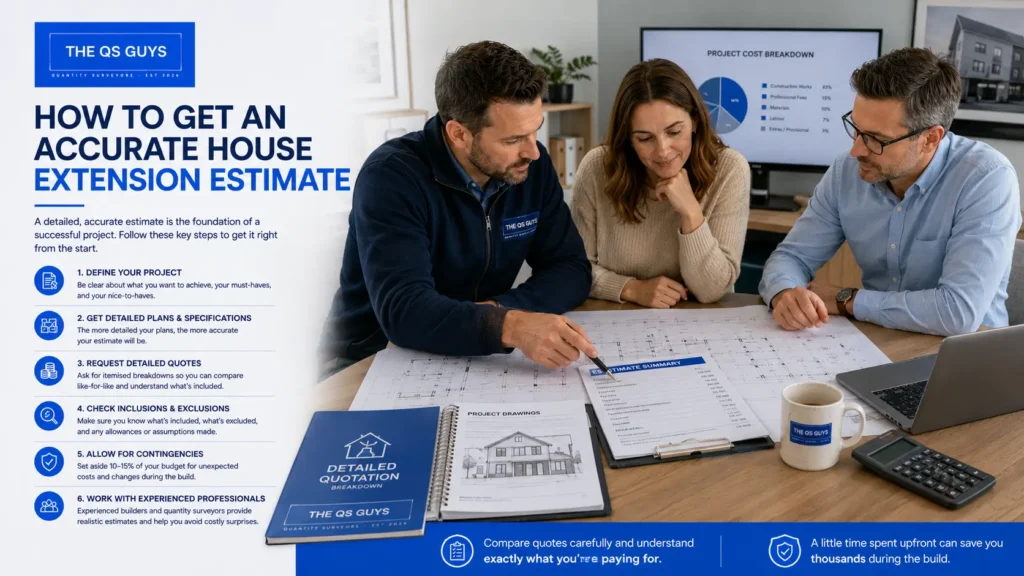
Obtaining an accurate house extension estimate is one of the most important steps in planning a successful home improvement project. While online calculators and rough cost guides can provide a starting point, they rarely reflect the unique requirements of your property. A reliable estimate takes into account factors such as the extension size, design complexity, site conditions, material choices, and local labour rates. By taking a structured approach and gathering detailed information before construction begins, homeowners can create realistic budgets, avoid costly surprises, and make more informed decisions throughout the project.
Define Your Project Scope Clearly
One of the biggest reasons extension estimates vary is that homeowners often begin seeking prices before fully defining what they want to build. A clear project scope allows builders and designers to provide more accurate pricing because everyone is working from the same information.
Before requesting estimates, consider the purpose of the extension and how the new space will be used. For example, a simple dining room extension will have very different requirements from a large kitchen extension that includes structural alterations, custom cabinetry, and premium finishes.
Key details to define include:
- Extension Type: Determine whether you are planning a rear extension, side extension, wraparound extension, or double-storey extension.
- Size Requirements: Establish the approximate floor area and room dimensions you would like to achieve.
- Design Features: Consider open-plan layouts, rooflights, bifold doors, or bespoke architectural elements.
- Finish Level: Decide whether you want standard, mid-range, or premium-quality finishes.
- Additional Work: Include landscaping, utility relocations, or interior refurbishment that may form part of the overall project.
The more specific your plans are at the beginning, the more accurate your house extension estimate is likely to be.
Obtain Multiple Builder Quotes
Relying on a single quotation can make it difficult to determine whether the proposed cost represents fair market value. Obtaining multiple quotes allows homeowners to compare pricing, identify inconsistencies, and gain a better understanding of the overall project cost.
When comparing quotes, it is important to ensure each builder is pricing the same scope of work. Significant price differences can sometimes indicate missing items, varying material specifications, or different assumptions about the project requirements.
When reviewing builder quotes, look for:
- Scope Consistency: Ensure all builders are pricing the same plans and specifications.
- Material Standards: Verify that similar products and construction methods are included.
- Labour Costs: Check whether labour charges are clearly outlined.
- Project Timeline: Compare estimated construction schedules.
- Exclusions: Identify any items that may not be included in the quoted price.
Obtaining at least three detailed quotations often provides a clearer picture of realistic construction costs while helping you identify reputable contractors.
Work With Qualified Professionals
An accurate house extension estimate depends heavily on the expertise of the professionals involved. Architects, structural engineers, surveyors, and experienced builders all play an important role in identifying requirements that may affect costs.
Qualified professionals can help uncover issues that are not immediately visible during the planning stage. For example, structural modifications, drainage challenges, foundation requirements, or building regulation compliance can significantly impact the final budget if they are not identified early.
Working with experienced professionals offers several advantages:
- Technical Knowledge: Professionals understand construction standards and regulatory requirements.
- Design Accuracy: Detailed plans reduce uncertainty during pricing.
- Risk Identification: Potential challenges can be identified before construction begins.
- Budget Management: Accurate drawings and specifications improve cost forecasting.
- Compliance Support: Professional guidance helps ensure planning and building regulation requirements are met.
Investing in professional expertise early in the process often saves money by reducing costly design changes and unexpected issues later.
Request Detailed Cost Breakdowns
A detailed cost breakdown provides far more value than a single lump-sum figure. Understanding exactly where your money will be spent helps you evaluate the estimate properly and identify opportunities for cost control.
Transparent pricing also allows homeowners to compare builders more effectively because individual cost categories can be reviewed side by side.
A comprehensive cost breakdown may include:
- Groundworks: Excavation, foundations, drainage, and site preparation.
- Structural Work: Walls, roofing, steel beams, and load-bearing alterations.
- Materials: Construction materials, finishes, fixtures, and fittings.
- Labour: Trade-specific labour costs for construction activities.
- Professional Fees: Architects, engineers, surveyors, and consultants.
- Regulatory Costs: Planning applications, inspections, and building control fees.
- Finishing Work: Decorating, flooring, kitchen installation, and final fit-out.
Detailed estimates create greater transparency and help homeowners make informed decisions when evaluating competing proposals.
Include A Contingency Budget
Even the most carefully planned extension projects can encounter unexpected expenses. Including a contingency budget provides financial flexibility and helps prevent delays when unforeseen costs arise.
A contingency fund acts as a safety net rather than an optional extra. Without one, even relatively minor surprises can place significant pressure on the project budget.
Recommended Contingency Percentage
Many industry professionals recommend setting aside between 10% and 20% of the total project budget as a contingency fund. Smaller and simpler projects may be comfortable with a lower percentage, while older properties or complex extensions often benefit from a larger allowance.
For example, if your estimated extension cost is £100,000, a contingency budget of £10,000 to £20,000 can help cover unexpected expenses without disrupting the project.
Why Unforeseen Expenses Are Common
Construction projects frequently reveal conditions that are impossible to fully assess before work begins. Older homes, in particular, can contain hidden issues that only become apparent during demolition or excavation.
Common examples include:
- Ground Conditions: Poor soil quality or unexpected foundation requirements.
- Structural Discoveries: Hidden damage, outdated construction methods, or inadequate support structures.
- Utility Issues: Unidentified pipes, cables, or drainage systems requiring modification.
- Material Price Changes: Fluctuations in construction material costs during the project.
- Design Adjustments: Homeowner-requested changes after work has commenced.
- Regulatory Requirements: Additional work needed to satisfy building control inspections.
Planning for these possibilities helps keep the project moving smoothly and reduces financial stress when challenges arise.
Taking the time to clearly define your project, gather multiple quotes, work with qualified professionals, review detailed cost breakdowns, and maintain a realistic contingency budget can significantly improve the accuracy of your house extension estimate. A well-prepared budget not only helps control costs but also provides greater confidence throughout every stage of the extension process, from initial planning to final completion.
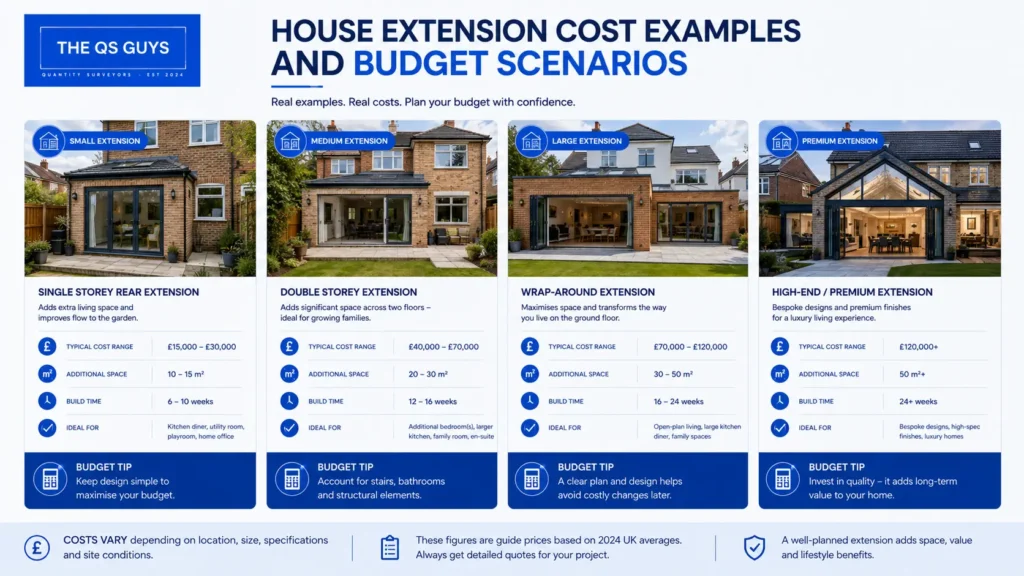
House Extension Cost Examples And Budget Scenarios
Understanding how extension costs scale can help homeowners set realistic expectations before requesting a house extension estimate in the UK. While every project is unique, reviewing example scenarios provides useful insight into how factors such as size, design complexity, materials, and specifications can affect the overall budget. The examples below are illustrative only and should be used as general guidance rather than fixed pricing.
Small Extension Budget Example
A small house extension is often the most affordable way to increase living space without undertaking a major construction project. These extensions are commonly used to enlarge a kitchen, create a dining area, add a utility room, or improve the flow of an existing layout.
For example, a homeowner may choose to build a modest single-storey rear extension to create an open-plan kitchen and dining space. The project may involve limited structural alterations, standard-quality materials, and straightforward construction methods.
Key factors influencing a small extension budget include:
- Extension Size: Smaller floor areas generally require fewer materials and less labour, helping to keep costs manageable.
- Simple Design: A straightforward layout with minimal structural complexity is usually more cost-effective.
- Standard Finishes: Choosing practical flooring, cabinetry, and fixtures can help maintain a reasonable budget.
- Existing Services: Retaining existing plumbing and electrical connections often reduces installation costs.
Small extensions are popular because they can significantly improve day-to-day living while offering a relatively accessible entry point into home improvement projects.
Medium Family Extension Example
A medium-sized family extension typically provides additional living space for growing households. These projects often involve larger floor areas and may include more extensive internal reconfiguration to improve functionality.
A common example is a rear or side extension that creates a spacious family room, larger kitchen, and additional dining area. In some cases, homeowners may remove internal walls to create a more open and connected living environment.
Several elements contribute to the increased budget compared to a smaller project:
- Expanded Floor Area: More construction materials and labour are required as the size of the extension increases.
- Structural Alterations: Steel beams and additional support structures may be necessary when removing load-bearing walls.
- Enhanced Finishes: Many homeowners choose upgraded kitchens, flooring, and lighting features as part of a larger renovation.
- Additional Services: Electrical, plumbing, and heating systems often require upgrades to accommodate the expanded space.
Medium-sized extensions are frequently viewed as a balance between affordability and functionality, offering substantial improvements without the scale of a major home expansion.
Large Double-Storey Extension Example
A large double-storey extension can dramatically transform a property by increasing both ground-floor and upper-floor living space. These projects are often undertaken by homeowners who need additional bedrooms, bathrooms, home offices, or larger communal areas.
For example, a family may add a double-storey side extension that includes a larger kitchen and living area downstairs, along with two new bedrooms and an additional bathroom upstairs. While this creates significant extra space, it also introduces greater construction complexity.
Factors that commonly increase the budget include:
- Structural Requirements: Double-storey extensions require stronger foundations and more extensive engineering considerations.
- Additional Rooms: More rooms mean greater expenditure on finishes, fittings, and services.
- Longer Construction Period: Larger projects generally require more labour hours and extended project management.
- Building Regulation Compliance: Additional requirements may apply due to the size and complexity of the work.
Although the upfront investment is higher, double-storey extensions often provide excellent value when measured against the amount of additional living space created.
Premium Specification Extension Example
A premium-specification extension focuses on high-end design, luxury finishes, and bespoke features. These projects are typically driven by homeowners who want exceptional aesthetics, advanced functionality, and long-term property enhancement.
A premium extension may include large-format glazing, custom-made joinery, designer kitchens, smart-home technology, underfloor heating, and architect-led design features. While the overall footprint may be similar to other extension types, the choice of materials and finishes significantly impacts the budget.
Several elements contribute to premium-level costs:
- High-Quality Materials: Natural stone, premium timber, and bespoke finishes increase material expenditure.
- Architectural Features: Complex designs often require specialist construction techniques and skilled trades.
- Luxury Fixtures: Premium kitchens, bathrooms, lighting systems, and integrated technology add considerable value and cost.
- Custom Design Work: Tailored solutions typically involve additional planning, design, and installation requirements.
Premium-specification extensions are often chosen by homeowners who prioritise design quality, comfort, and long-term property value over strict budget constraints.
Whether you are considering a modest single-storey addition or a large-scale double-storey project, understanding how costs increase alongside size, complexity, and specification can help you plan more effectively. Obtaining detailed professional estimates and clearly defining your project goals from the beginning will provide a stronger foundation for accurate budgeting and a successful extension project.
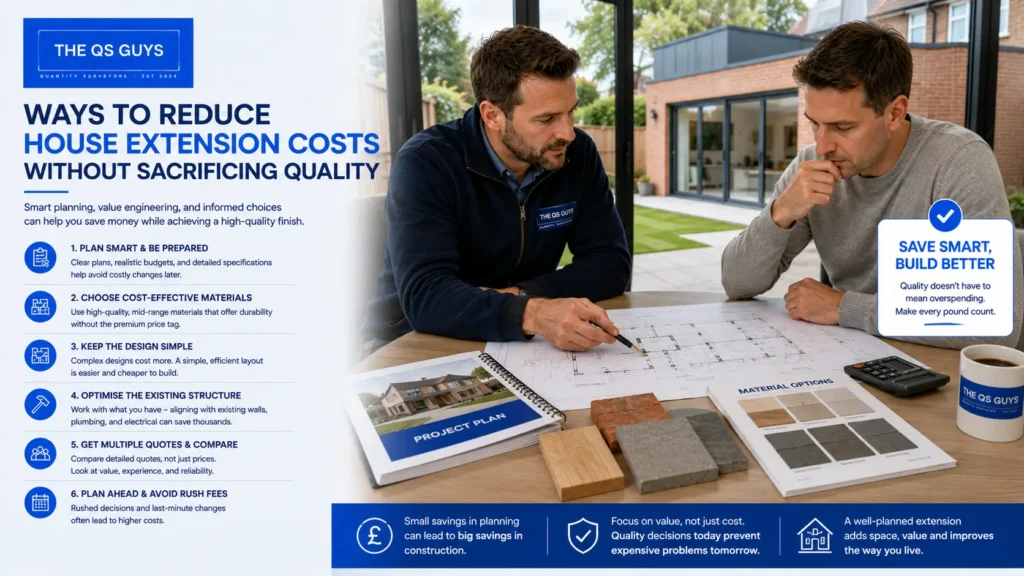
Ways To Reduce House Extension Costs Without Sacrificing Quality
Extending your home is a significant investment, but reducing costs does not have to mean compromising on quality. The most successful house extension projects are often those that balance practical design choices, careful planning, and informed decision-making. By focusing on value rather than simply choosing the cheapest options, homeowners can achieve a high-quality result while keeping their budget under control. The following strategies can help you make smarter financial decisions throughout the extension process.
Simplify the Design
One of the most effective ways to lower house extension costs is to keep the design as simple as possible. Complex layouts, unusual shapes, and highly customised features often require additional labour, specialist skills, and more expensive materials. A straightforward design can still create a beautiful and functional space while significantly reducing construction expenses.
Simple extension designs are generally quicker to build and easier to manage. Rectangular layouts, standard roof structures, and practical room configurations often deliver excellent results without introducing unnecessary costs.
Consider the following cost-saving design principles:
- Choose Simple Shapes: Rectangular or square extensions are typically more cost-effective than designs with multiple corners, curves, or projections.
- Limit Structural Alterations: Reducing the number of load-bearing wall removals can help lower engineering and construction costs.
- Use Standard Sizes: Standard-sized doors, windows, and building materials are often more affordable than bespoke alternatives.
- Focus on Functionality: Prioritise features that improve daily living rather than expensive design elements that add little practical value.
A well-designed extension does not need to be complicated. In many cases, simple and practical solutions provide the best balance between cost, usability, and long-term value.
Choose Cost-Effective Materials
Material selection plays a major role in determining the overall cost of a house extension. While premium materials can enhance appearance and durability, there are often more affordable alternatives that provide similar performance and visual appeal.
The key is to identify where spending more adds genuine value and where savings can be made without affecting quality. Many homeowners achieve excellent results by mixing premium materials in highly visible areas with more budget-friendly options elsewhere.
Some practical approaches include:
- Compare Material Options: Research different products to find materials that offer durability and performance at a reasonable price.
- Match Existing Finishes: Using materials that complement the existing property can reduce the need for costly custom solutions.
- Consider Long-Term Value: Some materials may have a higher upfront cost but require less maintenance over time.
- Avoid Unnecessary Upgrades: Focus on features that improve comfort, efficiency, or durability rather than purely decorative additions.
Working closely with your architect or builder can help identify suitable alternatives that maintain quality while supporting your budget goals.
Plan Thoroughly Before Construction
Detailed planning is one of the most important steps in controlling extension costs. Many budget overruns occur because decisions are made after construction has already started. The more information that is finalised before work begins, the fewer unexpected expenses are likely to arise.
A thorough planning process should include design development, budgeting, contractor selection, and project scheduling. Taking the time to resolve issues early can prevent costly delays and changes later.
Key planning steps include:
- Define Project Goals: Clearly establish the purpose and requirements of the extension before seeking quotations.
- Develop Detailed Drawings: Accurate plans help builders provide more reliable estimates and reduce misunderstandings.
- Set a Realistic Budget: Include construction costs, professional fees, approvals, and a contingency allowance.
- Review Specifications Carefully: Confirm material choices, finishes, and fixtures before work begins.
Homeowners who invest time in planning often experience smoother projects, better communication, and improved cost control throughout the build.
Avoid Mid-Project Design Changes
Making changes after construction has started can quickly increase the cost of a house extension. Even seemingly minor adjustments may affect labour schedules, material orders, engineering requirements, and project timelines.
Changes often create a chain reaction that impacts multiple aspects of the build. For example, moving a wall may require revised drawings, additional structural calculations, and alterations to electrical or plumbing installations.
To minimise costly variations:
- Finalise Designs Early: Make key decisions before signing contracts and commencing construction.
- Review Plans Thoroughly: Ensure you are satisfied with layouts, materials, and finishes before work starts.
- Communicate Clearly: Discuss any concerns with your design team during the planning stage rather than during construction.
- Maintain Focus on Priorities: Concentrate on features that matter most to your lifestyle and budget.
While some changes may be unavoidable, reducing mid-project alterations can significantly improve budget stability and project efficiency.
Compare Contractors Carefully
Selecting the right contractor is about more than finding the lowest price. A contractor who provides a detailed quote, clear communication, and proven experience often delivers better value than one offering a significantly cheaper estimate.
Comparing multiple contractors allows you to understand market pricing and identify potential differences in scope, quality, and service levels. It also helps ensure that all quotes are based on the same project requirements.
When evaluating contractors, consider:
- Review Previous Projects: Ask to see examples of completed extensions similar to your planned project.
- Check References: Speak with previous clients to learn about their experience and satisfaction.
- Compare Detailed Quotes: Look beyond the total price and examine what is included and excluded.
- Verify Qualifications: Confirm licences, insurance coverage, and relevant industry experience.
- Assess Communication: A responsive and transparent contractor is often easier to work with throughout the project.
Choosing an experienced contractor can help avoid costly mistakes, delays, and quality issues that may ultimately increase the overall cost of the extension.
Reducing house extension costs is not about cutting corners. It is about making informed decisions, planning effectively, and focusing on the elements that deliver genuine value. By simplifying the design, selecting cost-effective materials, planning thoroughly, avoiding unnecessary changes, and carefully comparing contractors, homeowners can create a high-quality extension that meets their needs while staying within budget.
Common Mistakes When Budgeting For A House Extension
Planning a house extension is an exciting opportunity to create more living space and improve the functionality of your home. However, many homeowners focus primarily on the construction costs and overlook other important financial considerations. A realistic house extension estimate should account for every stage of the project, from design and approvals to construction and finishing work. Understanding the most common budgeting mistakes can help you avoid unexpected expenses, reduce financial stress, and make better decisions throughout the process.
Relying On Online Cost Calculators Alone
Online cost calculators can be useful when you first begin researching a house extension, but they should never be treated as a final or fully accurate estimate. Most calculators use average pricing data and cannot account for the unique circumstances of your property, design requirements, or local construction market.
A calculator may provide a rough cost range, but it cannot assess site-specific factors that often have a significant impact on the final budget. Ground conditions, access restrictions, structural requirements, and material selections can all influence costs in ways that generic calculators cannot predict.
Some of the limitations of online calculators include:
- Location Variations: Construction costs can differ considerably between regions, particularly when comparing London and the South East with other parts of the UK.
- Property-Specific Factors: Existing structural conditions, drainage systems, and foundation requirements vary from property to property.
- Design Complexity: Open-plan layouts, large glazing systems, and bespoke architectural features often increase costs beyond standard estimates.
- Material Choices: Premium finishes and high-quality materials can significantly affect the overall project budget.
While online tools are a useful starting point, obtaining detailed quotations from qualified professionals will provide a far more reliable understanding of your expected costs.
Ignoring Professional Fees
One of the most common budgeting mistakes is focusing entirely on building costs while overlooking professional fees. These expenses are essential to the successful planning, design, and delivery of a house extension and should be included from the beginning of the budgeting process.
Professional services often help prevent costly mistakes later by ensuring that designs comply with regulations, structural requirements are properly addressed, and planning issues are resolved before construction begins.
Common professional costs may include:
- Architect Fees: For preparing design drawings, planning applications, and construction documentation.
- Structural Engineer Fees: For calculating load-bearing requirements and producing structural specifications.
- Planning Consultant Fees: When specialist advice is needed for complex projects or planning applications.
- Building Regulation Costs: For inspections and compliance approvals throughout construction.
- Surveying Services: For property surveys, measured drawings, and site assessments.
Ignoring these costs can leave homeowners with a significant funding gap even before construction starts. A comprehensive house extension estimate should always include both construction and professional expenses.
Underestimating Contingency Costs
Even the most carefully planned extension projects can encounter unexpected expenses. Older properties, hidden structural issues, underground services, and changing material prices can all create additional costs during construction.
Many homeowners make the mistake of budgeting only for known expenses without setting aside funds for unforeseen circumstances. This can lead to financial pressure if problems arise after work has already begun.
A contingency fund provides a financial safety net and allows the project to continue smoothly if unexpected issues occur. Most construction professionals recommend including a contingency allowance as part of the overall budget.
Examples of unexpected costs may include:
- Ground Condition Issues: Poor soil conditions may require deeper foundations.
- Hidden Structural Problems: Existing defects may only become visible once construction begins.
- Utility Relocation Costs: Water, gas, or electrical services may need to be moved.
- Material Price Increases: Market fluctuations can affect the cost of building materials.
- Design Adjustments: Changes during construction may require additional labour and materials.
Including a contingency allowance from the start can help protect your budget and reduce the likelihood of delays caused by financial constraints.
Choosing The Cheapest Quote Without Due Diligence
While it is natural to compare quotes when planning a house extension, choosing the lowest price without careful evaluation can lead to significant problems. A substantially cheaper quote may indicate that important elements have been omitted, specifications have been reduced, or costs have been underestimated.
A contractor who provides a very low estimate may later introduce additional charges for items that were not clearly included in the original proposal. In some cases, low-cost quotes can also reflect lower-quality workmanship or insufficient project planning.
Before accepting any quotation, homeowners should assess:
- Scope Of Work: Ensure all required work is clearly included.
- Builder Experience: Review previous extension projects and relevant experience.
- References And Reviews: Speak with past clients and check independent reviews.
- Insurance Coverage: Confirm that appropriate insurance policies are in place.
- Quotation Transparency: Look for detailed cost breakdowns rather than vague pricing.
A well-prepared quote from an experienced contractor often delivers better long-term value than a lower-priced option that creates complications later.
Overlooking Future Value Considerations
Budgeting for a house extension should not focus solely on immediate construction costs. Homeowners should also consider how the project may affect the long-term value, functionality, and appeal of the property.
An extension that is carefully designed to meet market demand can enhance both everyday living and future resale potential. Conversely, spending heavily on features that do not add meaningful value may limit the return on investment.
When evaluating future value, consider:
- Additional Living Space: Practical and usable space is often attractive to future buyers.
- Property Layout: Well-designed layouts can improve functionality and market appeal.
- Energy Efficiency: Modern insulation, glazing, and heating systems may increase desirability.
- Neighbourhood Expectations: Extensions should align with local property values and buyer expectations.
- Quality Of Workmanship: High-quality construction tends to maintain value more effectively over time.
Balancing cost considerations with long-term benefits can help ensure that your extension provides both immediate enjoyment and lasting value for years to come.
Taking the time to plan thoroughly, seek professional advice, and budget realistically can make a significant difference to the success of your house extension project. By avoiding these common mistakes, homeowners can improve cost accuracy, reduce financial surprises, and move forward with greater confidence throughout every stage of the build.
Ready to take the next step with your extension project? Explore our expert resources and practical guides to gain a clearer understanding of costs, planning requirements, and budgeting strategies before you commit. With trusted insights and up-to-date information, you can make confident decisions, avoid costly mistakes, and move closer to creating the extra space and value you want for your home.
References
- House Extension Costs: Breakdown By Size & Type
https://hoa.org.uk/advice/guides-for-homeowners/for-owners/house-extension-costs/ - Permitted Development Rights for Householders: Technical Guidance
https://www.gov.uk/government/publications/permitted-development-rights-for-householders-technical-guidance/permitted-development-rights-for-householders-technical-guidance - House Extension Cost UK 2026 Price Guide
https://www.bestbuilders.co.uk/costs/house-extension-cost-uk - House Extension Cost Guide (UK Prices 2026)
https://www.myjobquote.co.uk/costs/house-extension - Building Regulations for House Extensions
https://www.firstinarchitecture.co.uk/building-regulations-for-house-extensions/
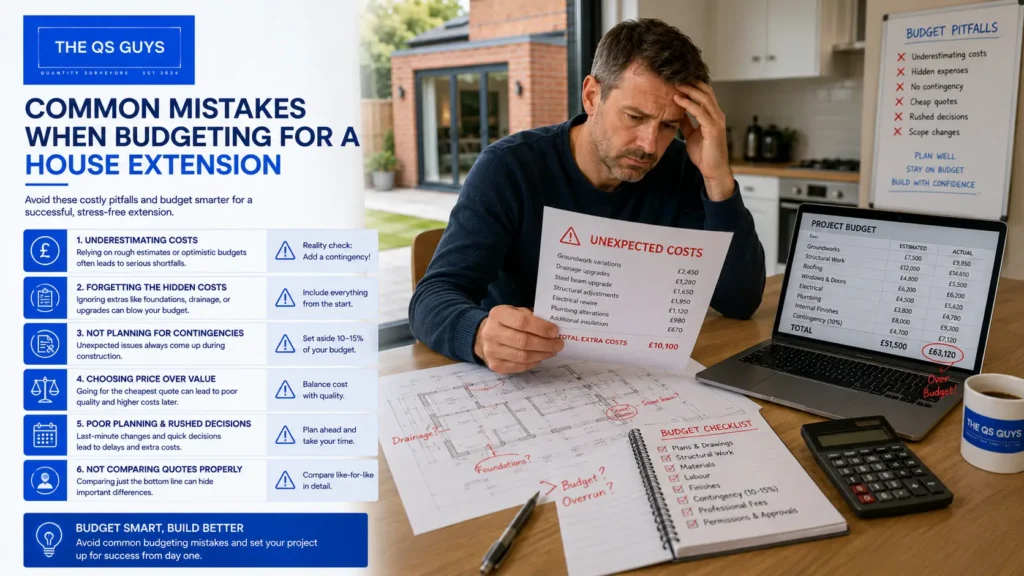
FAQs: About House Extension Estimate In UK
How much does a house extension cost in the UK?
The cost of a house extension in the UK depends on factors such as size, location, design, and materials. Smaller extensions may cost significantly less than larger or more complex projects. Obtaining detailed quotes from professionals is the best way to understand the likely budget for your specific property.
What is included in a house extension estimate?
A house extension estimate typically includes construction costs, labour, materials, groundwork, and project management. It may also account for professional fees, planning applications, building regulations, and contingency allowances, depending on how detailed the estimate is.
How accurate are online house extension cost calculators?
Online calculators can provide a useful starting point for budgeting, but they are often based on average costs and assumptions. They do not usually account for site conditions, design complexity, or regional pricing differences, so professional estimates are generally more reliable.
Do I need planning permission for a house extension in the UK?
Not all extensions require planning permission. Some projects may fall under permitted development rights, while larger or more complex extensions may require formal approval. It is important to check local planning requirements before starting work.
What factors have the biggest impact on extension costs?
The main cost drivers include extension size, property location, design complexity, material selection, structural requirements, and site accessibility. Additional features such as bespoke finishes or extensive landscaping can also increase the overall budget.
How much contingency should I add to my extension budget?
Many homeowners set aside a contingency fund of around 10% to 20% of the total project cost. This helps cover unexpected expenses such as ground condition issues, design changes, or material price fluctuations during construction.
Is it cheaper to move house or build an extension?
The answer depends on local property prices, moving costs, and the scope of the extension. In many cases, extending a home can be more cost effective than moving, especially when homeowners want to remain in their current location and community.
How long does a typical house extension project take?
Project timelines vary based on size and complexity. Smaller extensions may take a few months to complete, while larger projects can take significantly longer when planning approvals, design work, and construction phases are considered.
Can a house extension increase property value?
A well-designed extension can often add value by increasing usable living space and improving functionality. The amount of added value depends on factors such as location, market demand, build quality, and how the extension complements the existing property.
How can I get the most accurate house extension estimate in the UK?
The most accurate estimate comes from working with qualified architects, surveyors, and experienced builders. Providing clear project requirements, obtaining multiple detailed quotes, and conducting thorough site assessments can help produce realistic and dependable cost projections.
Conclusion
Understanding the true cost of a house extension involves much more than looking at a basic construction figure. Factors such as the size and type of extension, property location, design complexity, material selection, professional fees, planning requirements, and unforeseen site conditions can all have a significant impact on the final budget. Taking the time to research these elements and plan carefully from the beginning can help reduce unexpected expenses and create a smoother building process. Seeking advice from qualified architects, extension specialists, and experienced builders can also provide valuable insights that improve both budgeting accuracy and project outcomes. Before committing to any extension project, it is always wise to obtain detailed estimates that clearly outline costs, timelines, and scope of work. By working with trusted professionals and developing a realistic budget, homeowners can make informed decisions and move forward with confidence. If you are considering extending your property, speaking with experienced extension experts can help you obtain a personalised house extension estimate based on your home’s unique requirements, your lifestyle needs, and your long-term goals.